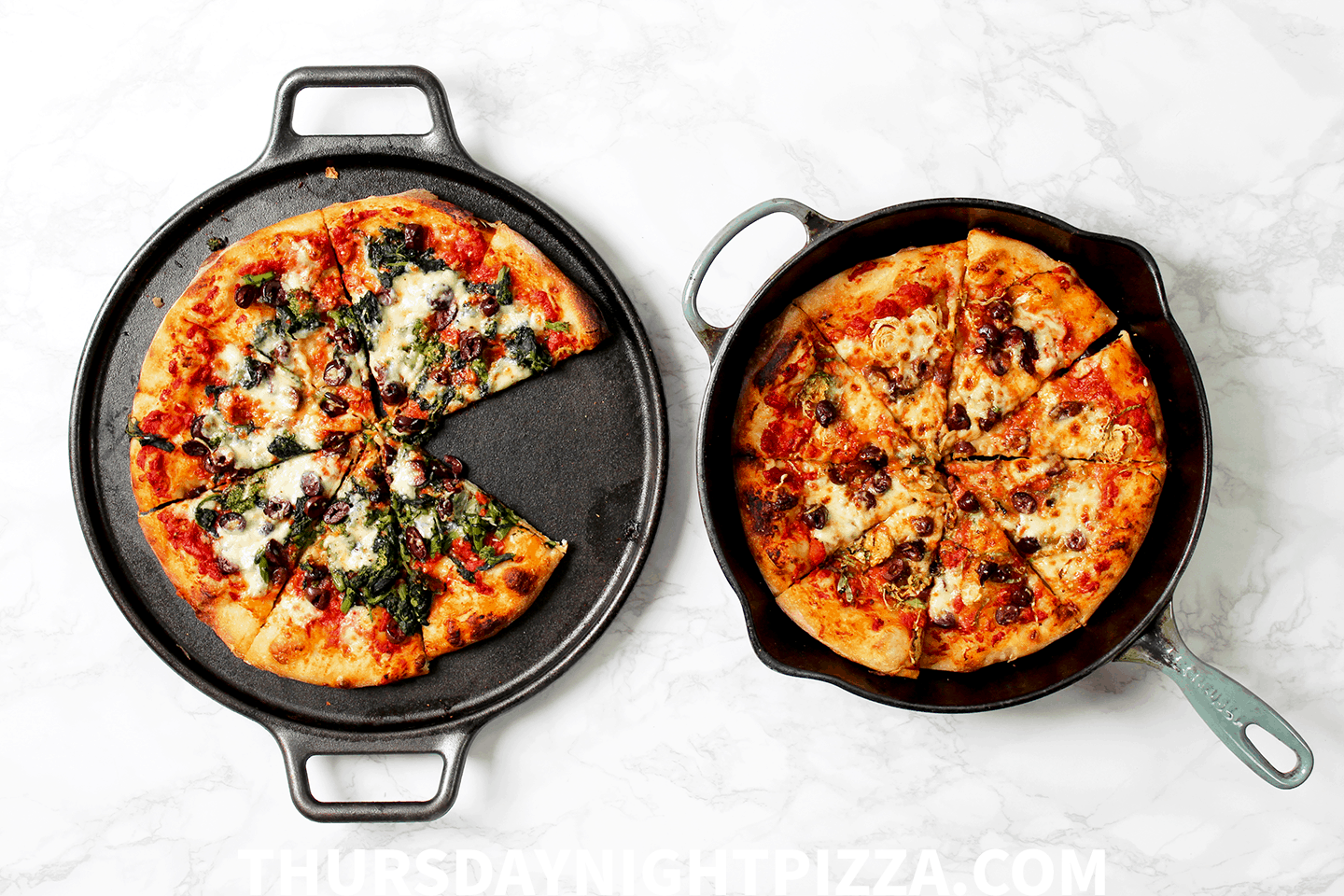
Cast Iron Skillet Pizza vs. Deep Dish: A Culinary Showdown for Pizza Lovers
There's a special kind of magic that happens when you bake pizza at home. The aroma filling your kitchen, the anticipation of that first slice, and the sheer satisfaction of creating a culinary masterpiece from scratch. For many home chefs, the trusty cast iron skillet has become an indispensable tool in this quest, transforming simple ingredients into extraordinary pizza experiences. But when you delve into the world of pan-baked pizza, you quickly encounter two distinct styles: the classic cast iron skillet pizza and the robust, architectural deep dish. Both offer unique pleasures, but understanding their differences is key to choosing your next pizza adventure.
This article will explore the delightful characteristics of each, help you identify your "pizza personality," and equip you with the knowledge to master your preferred **cast iron pizza recipe**.
The Allure of Cast Iron Skillet Pizza: A Crispy, Chewy Delight
Imagine a pizza with an ethereally airy dough that blossoms into a golden, crispy crust, reminiscent of a perfect focaccia. That's the essence of a well-executed cast iron skillet pizza. It's lauded for its remarkable simplicity and the incredible texture it delivers. One of the greatest advantages is the elimination of specialized equipment like a pizza stone; your everyday cast iron skillet does all the heavy lifting.
The beauty of this style lies in its dough, often barely kneaded, which is simply patted into the pre-oiled skillet. It's then left to rise, developing a jiggly, bubbly texture before being adorned with toppings. A simple stir-together pizza sauce, a generous layer of melty mozzarella cheese, and your choice of fresh ingredients like crispy sausage and bright peppers, all come together to create a hearty, satisfying meal.
What makes this pizza truly stand out is how the crust cooks in the hot cast iron and olive oil. The direct contact with the sizzling pan almost fries the bottom, creating an incredibly crisp foundation while the interior remains wonderfully puffy and tender. This results in that ideal balance: a thick, crunchy edge, a golden, firm base, and a soft, chewy center – the hallmark of a fantastic pan pizza. Celebrated recipes, like Ree Drummond's shortcut cast iron pizza, promise this delightful balance in as little as 30 minutes, often utilizing store-bought dough to save time without compromising on flavor or texture. Mastering this
Secrets to Perfect Cast Iron Pizza: Crispy Crust, Puffy Center can elevate your weeknight meals significantly.
Deep Dish Demystified: A Tower of Flavor and Layers
On the other end of the pan pizza spectrum lies the majestic deep dish, often synonymous with Chicago-style pizza. This isn't just a thick crust; it's a structural marvel. The defining characteristic of deep dish pizza is its extraordinarily tall crust, which forms a robust wall around the generous fillings, much like a pie. This "crust wall" is designed to contain an abundance of toppings, creating a hearty, multi-layered experience.
The assembly of a deep dish pizza also dramatically differs from its skillet counterpart. To prevent the tall crust from becoming soggy under the weight and moisture of the toppings, deep dish pizza traditionally starts with a layer of cheese directly on the bottom. This acts as a protective barrier. On top of the cheese, you'll find layers of sausage, vegetables, and other savory fillings, all crowned with a rich, chunky tomato sauce. This inverted layering ensures the crust remains firm and that the cheese melts beautifully into the other ingredients without burning.
Deep dish pizza is less about a quick bite and more about a substantial, knife-and-fork affair. It's a meal that commands attention, rich in flavor and satisfyingly dense. While a cast iron skillet can be used to achieve a deep dish style pizza, the technique and the resulting experience are fundamentally different from a standard cast iron pan pizza.
Side-by-Side: Skillet vs. Deep Dish - What's Your Pizza Personality?
Understanding the core differences between these two styles will help you decide which **cast iron pizza recipe** is right for your next culinary endeavor.
* **Crust Profile:**
* **Cast Iron Skillet Pizza:** Features a thick, fluffy, focaccia-like crust with a distinctively golden, crisp-fried bottom and edges. The dough is more of a foundation for even toppings.
* **Deep Dish Pizza:** Presents a very tall, thick, pie-like crust that acts as a container, holding abundant layers of fillings. The crust itself is often sturdier and less airy than its skillet counterpart.
* **Topping Arrangement:**
* **Cast Iron Skillet Pizza:** Toppings are layered traditionally – sauce first, then cheese, then other ingredients – creating an even distribution across the pizza's surface.
* **Deep Dish Pizza:** Employs an inverted layering technique, starting with cheese on the bottom, followed by meats and vegetables, and finally topped with sauce. This protects the crust and allows the flavors to meld uniquely.
* **Eating Experience:**
* **Cast Iron Skillet Pizza:** Often yields slices that can be picked up and eaten by hand, offering a delightful crunch with every bite. It’s a great option for a quick weeknight meal.
* **Deep Dish Pizza:** Due to its immense height and generous fillings, deep dish is almost always eaten with a knife and fork. It's a rich, hearty feast, perfect for sharing or for those with a significant appetite.
* **Preparation Time & Effort:**
* **Cast Iron Skillet Pizza:** Generally quicker to prepare and bake, especially with shortcut dough recipes. Many can be ready in 30-60 minutes, making it a fantastic weeknight option.
* **Deep Dish Pizza:** Typically requires more time for dough preparation, assembly, and a longer baking duration due to the sheer volume of ingredients. It's more of a project, perfect for a weekend gathering.
So, are you a fan of crispy, airy, focaccia-like crusts that you can grab and go, or do you prefer a towering, robust pizza that demands a fork and a leisurely meal? Your preference will guide you to your ideal cast iron pizza experience.
Mastering Your Cast Iron Pizza Recipe: Essential Tips for Success
Regardless of whether you lean towards the crispy skillet pizza or the hearty deep dish, a few fundamental principles will elevate your **cast iron pizza recipe** from good to absolutely glorious.
1. **Season Your Skillet:** This is non-negotiable. A well-seasoned cast iron skillet is the secret to a perfectly non-stick pizza. The natural slickness, combined with the oil used in the recipe, ensures your crust releases cleanly every time. If your skillet isn't properly seasoned, take the time to do so before attempting pizza.
2. **Dough Dynamics:**
* **Homemade vs. Store-Bought:** While making dough from scratch is rewarding, store-bought pizza dough is an excellent shortcut. If using frozen dough, remember to factor in thawing and rising time.
* **Kneading:** Whether by hand (with a sturdy rubber spatula or wooden spoon) or with a stand mixer, ensure your dough is well-combined. Allow the yeast to bloom properly in warm water and sugar.
* **The "Dough Wall":** For skillet pizza, stretching store-bought dough (e.g., a 14-inch circle into a 12-inch skillet) allows you to press it up the sides of the pan. This creates a slightly raised edge, ensuring crispy crusts and helping to contain the sauce, much like Ree Drummond's technique.
3. **Preheat for Perfection:** A scorching hot skillet is paramount for that coveted golden, crisp-fried bottom crust. Always preheat your cast iron skillet in a 500°F (or as high as your oven goes) oven before adding the dough. This thermal shock is what creates the perfect crust.
4. **Embrace the Oil:** A generous amount of olive oil in the skillet not only aids in preventing sticking but also imparts incredible richness and flavor to the crust, contributing to its signature crispiness.
5. **Don't Overload (Skillet Pizza):** While deep dish can handle a mountain of toppings, a standard cast iron skillet pizza benefits from a more balanced approach. An even layer of sauce, cheese, and a few choice toppings will ensure the crust cooks through and remains crisp.
6. **Serving Suggestions:** Skillet pizza pairs beautifully with a fresh salad, sautéed asparagus, or even a comforting soup for optimal dunking.
For more detailed guidance on achieving perfect pan-baked pizzas, explore our guide on
Master the 30-Minute Cast Iron Pizza: Crispy & Easy Recipe.
Conclusion
Whether your heart yearns for the crispy, focaccia-like simplicity of a cast iron skillet pizza or the hearty, layered grandeur of a deep dish, your cast iron skillet stands ready to deliver. Both styles offer distinct pleasures and demonstrate the incredible versatility of this beloved kitchen workhorse. By understanding the unique characteristics of each, embracing proper seasoning, mastering dough techniques, and harnessing the power of a preheated skillet, you can confidently embark on your next pizza journey. So grab your skillet, gather your ingredients, and get ready to create a homemade pizza that's perfectly tailored to your cravings.