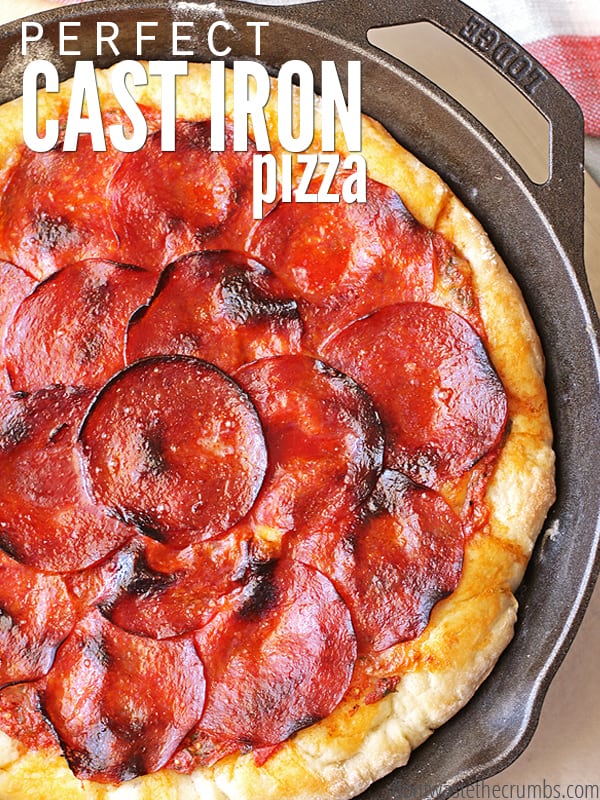
Secrets to Perfect Cast Iron Pizza: Crispy Crust, Puffy Center
Imagine a pizza with an unbelievably crispy, golden-brown crust, almost like a gourmet focaccia, yet with a wonderfully airy, puffy interior. This isn't the domain of professional pizzerias or fancy pizza ovens; it's the magic you can create right in your own kitchen with a simple cast iron skillet. The
cast iron pizza recipe is a game-changer for home cooks, offering a delightful alternative to traditional thin-crust or a more involved deep-dish style. Forget wrestling with a pizza stone or painstakingly stretching dough; this method celebrates simplicity, resulting in one of the easiest and most delicious homemade pizzas you'll ever bake.
Why Cast Iron Reigns Supreme for Pizza
The humble cast iron skillet is an unsung hero in the world of pizza-making, offering unique advantages that directly contribute to that coveted crispy crust and tender, puffy center.
*
Superior Heat Retention: Cast iron heats up slowly but retains heat incredibly well, distributing it evenly across the entire surface. When a preheated skillet hits your oven, it acts like a super-charged mini pizza oven, delivering intense, direct heat to the dough. This thermal mass is key to achieving that perfectly golden, almost "fried" bottom crust that's characteristic of the best pan pizzas.
*
The Crispy Bottom Advantage: Unlike a pizza stone that transfers heat from the top, a cast iron skillet provides direct contact and consistent high heat to the dough's underside. Coupled with a generous amount of olive oil in the pan, this creates a crust that's spectacularly crispy and golden brown, much like a good focaccia. The oil sizzles and bakes into the dough, adding incredible flavor and a satisfying crunch.
*
Effortless Dough Handling: One of the biggest appeals of a
cast iron pizza recipe is the ease of working with the dough. There's no need for elaborate stretching or shaping into a perfect circle. The soft, often barely-kneaded dough is simply patted into the oiled skillet, conforming to its shape. This relaxed approach contributes to the airy, bubbly texture that makes cast iron pizza so enjoyable.
*
Versatility and Accessibility: You don't need specialized equipment beyond your skillet and a hot oven. This method democratizes gourmet pizza, making it accessible to anyone looking to elevate their home cooking.
Crafting Your Perfect Cast Iron Pizza Dough (Homemade or Store-Bought)
The foundation of any great pizza is its dough, and with cast iron pizza, you have options – from a quick shortcut to a rewarding homemade creation.
*
Homemade Dough: Simple Steps for Superior Flavor
Making your own dough for a
cast iron pizza recipe is simpler than you might think. Most recipes call for a "no-knead" or "barely kneaded" approach, focusing on hydration and a good rise.
- Activate the Yeast: Start by blooming active dry yeast in warm water with a pinch of sugar. This "wakes up" the yeast, ensuring a good rise. Look for a foamy, bubbly mixture, indicating the yeast is active.
- Combine Ingredients: In a large bowl, stir in olive oil and flour (all-purpose or bread flour works well). You can use a stand mixer with a dough hook for ease and speed, but a sturdy rubber spatula or wooden spoon works perfectly fine for hand-mixing. Combine until just incorporated – overmixing can lead to a tough crust.
- The Rise: This is where the magic happens. After a brief mix, let the dough rest and rise in a warm place until it's "jiggly and bubbly" – this indicates it has proofed beautifully, ready for its skillet transformation. This airy dough is what contributes to the puffy center.
- Pro Tip: For an extra flavorful crust, consider a longer, cold fermentation in the fridge overnight. This develops more complex flavors without much extra effort.
*
Store-Bought Dough: The Ultimate Time-Saver
For those busy weeknights or when you crave instant gratification, quality store-bought pizza dough is an excellent shortcut. Many cast iron pizza recipes, including Ree Drummond's popular versions, embrace this convenience.
- Thaw and Rise: If your dough is frozen, ensure it thaws completely. Regardless of whether it's fresh or thawed, always factor in time for the dough to come to room temperature and rise sufficiently. This makes it much easier to work with and ensures that delightful airy texture.
- Working with It: Once pliable, gently stretch or pat the dough into your prepared skillet. Avoid forcing it; if it springs back, let it rest for 5-10 minutes, then try again. This relaxed approach allows the gluten to relax, preventing a tough crust.
The Art of Assembly: From Pan to Perfection
Once your dough is ready, the assembly process for your
cast iron pizza recipe is straightforward, with a few key steps to ensure optimal results.
*
Preparing Your Skillet: Seasoning and Oil are Key
Before anything else, ensure your cast iron skillet is well-seasoned. A properly seasoned pan prevents sticking and contributes to that beautiful crust. Generously coat the bottom and sides of your skillet with olive oil. This oil is crucial – it's what helps "fry" the bottom of the crust, creating that irresistible crispness and adding rich flavor. For a 12-inch skillet, 1-2 tablespoons is usually sufficient.
*
Dough Placement and the "Dough Wall"
Gently pat or press your risen dough into the oiled skillet, ensuring it covers the entire bottom. The trick for perfect edges is to press the dough slightly up the sides of the pan, creating a "dough wall." This not only helps contain your sauce and toppings but also bakes into a wonderfully thick, crispy edge that contrasts beautifully with the tender center.
*
Topping Strategy: Simplicity for Success
While it's tempting to pile on every ingredient, remember that cast iron pizza thrives on balance.
- Sauce: A simple, stir-together pizza sauce (like pureed crushed tomatoes seasoned with garlic, oregano, and salt) works perfectly. Don't overdo it; an even, moderate layer prevents a soggy crust.
- Cheese: Melty low-moisture mozzarella is a classic for a reason. Its moisture content is ideal for pizza, and it melts beautifully. Consider adding a sprinkle of Parmesan or Pecorino for extra flavor.
- Additional Toppings: Crispy sausage, bright bell peppers, pepperoni, mushrooms, or onions are all excellent choices. Pre-cook any meats or vegetables that release a lot of moisture to prevent a watery pizza. Avoid overcrowding, which can inhibit even baking and lead to a less crispy crust.
*
Baking for the Ultimate Crunch and Puff
Preheat your oven to a high temperature, typically 500°F (260°C). Crucially, place your empty, oiled cast iron skillet into the oven as it preheats. This ensures the pan is screaming hot when the dough goes in, jump-starting the crisping process on the bottom. Once the oven and skillet are hot, carefully remove the skillet, add your dough and toppings, and return it to the oven. The high heat and preheated pan work in tandem to create that golden, crispy exterior and a light, airy interior.
Cast Iron Pan Pizza vs. Deep Dish: A Delicious Distinction
While both are pan-baked pizzas with thick crusts, it's important to understand that a traditional cast iron skillet pizza is not the same as a Chicago-style deep-dish pizza.
*
Cast Iron Pan Pizza: As we've explored, this style features a thick, fluffy, focaccia-like crust that gets wonderfully crispy and almost "fried" from the oil in the pan. Toppings, including sauce and cheese, are typically applied in an even layer across the top. It's robust and satisfying but designed for a lighter topping load than its deep-dish cousin.
*
Deep-Dish, Chicago-Style Pizza: This is a significantly different beast. Deep-dish pizza has a much taller crust that acts like a sturdy wall, designed to hold an immense quantity of toppings. It's typically assembled "upside down" with cheese on the bottom (to protect the crust from sogginess), followed by meats and vegetables, and finally, a thick layer of crushed tomato sauce on top. It's a true knife-and-fork affair.
Both are distinct and undeniably delicious experiences, each with its own charm and culinary heritage. To dive deeper into these delightful differences, be sure to check out our detailed comparison:
Cast Iron Skillet Pizza vs. Deep Dish: Know the Difference.
With these secrets in hand, you're ready to master the art of cast iron pizza. The satisfying crunch of the crust, the fluffy interior, and the perfectly melted cheese will make your homemade pizza a staple. Serve it alongside a fresh salad, some sautéed asparagus, or even a hearty soup for optimal dunking. The simplicity and incredible results of this
cast iron pizza recipe will quickly make it a family favorite, proving that some of the best culinary magic happens with basic tools and a bit of know-how. Get ready to impress yourself and your loved ones with perfect pizza, every time.